


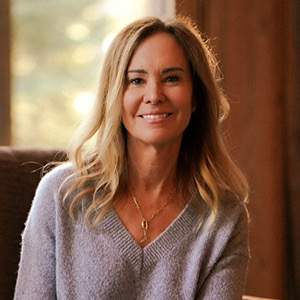
Editor’s note: This op-ed was written by Linda Uphoff. Linda is a Licensed Professional Counselor Associate in Texas and an International Certified Gambling Counselor (ICGC-I), specializing in youth and young adult problem gambling, and Vice President of Parents Standing Together, a parent-led nonprofit supporting families affected by youth gambling harm. She came to this work as a parent, and brings together lived experience and clinical training to help families find their way. This op-ed is part of our Special Series on Addiction and Affected Others.
 I didn’t see it coming. My son was 23, with a good job and savings, when he called asking to borrow money. It didn’t add up, but I sent it anyway. Over the next few months, the rest trickled out: money borrowed from his brother and friends, credit cards I didn’t know about, unpaid bills. He was anxious, irritable, and not sleeping, but I put it down to work stress and the normal ups and downs of starting out on his own. It never occurred to me that he was gambling.
Gambling addiction is easy to miss because there’s so little to see. There’s no slurred speech and nothing hidden in a drawer. It lives on a phone, and our kids can place bets sitting right next to us on the couch. My friend Kim’s son started gambling through video games when he was 11, and she had no idea until he was failing out of college.
But the gambling isn’t the only thing that goes unseen. So does the family living with it.
Once I understood what was happening, I did what most parents do and tried to fix it. I paid off his debts and kept it to myself. I thought I was being a good mom. Deep down, I knew something wasn’t right, but I didn’t know what else to do, and I was afraid to tell anyone. I didn’t think anyone would understand, and no one thought to ask how I was doing. It was a long time before I started my own recovery, much longer than it should have been, and I’ve since learned that’s true for a lot of parents.
When families are brought into treatment, it’s usually to support the person who’s gambling. That matters, but underneath it is an assumption that our job is to help our child get well, as if we aren’t suffering too. And too often, we’re left to figure the rest out on our own.
I saw that up close. When my son finally got help, almost all of the focus was on him, which made sense. But nobody explained to us how gambling addiction works or what to do at home, including how to handle money, and nobody asked what we needed. So we kept doing what we’d always done. When things fell apart again, we were right back where we started, and my own life was unraveling right along with his.
It took me a long time to learn what I wish someone had told me at the beginning: I didn’t need my son to be in recovery to start my own.
That’s because gambling addiction isn’t only about the person gambling. It reaches everyone who loves them. Some of it is financial, and much of it is fear, grief, guilt, and loneliness that can last for years. In our groups, we meet parents who haven’t told a single friend what they’re living with, just like I hadn’t. That harm deserves care whether or not the person gambling is ready to change.
A parent’s recovery doesn’t guarantee their child will recover, but in my experience it gives them a better chance. When parents stop rescuing and start taking care of themselves, they get their own lives back, protect the rest of the family, and make home a healthier place for recovery. Often, their kids begin to follow. One young man in recovery described how his mom kept paying his mortgage to keep him afloat while it slowly wore her down. Looking back, he said it wasn’t really help. She was sacrificing her own well-being to shield him from consequences he needed to face. What he wished she’d known, and what many of us learn the hard way, is that you can love your child completely without clearing away the consequences of their gambling.
What that looks like differs in every family. Some parents stay close, some step back, and some have to cut contact for a while. There isn’t one right way, as long as parents don’t lose themselves in the process.
When I was in the thick of it, I couldn’t find much written for parents, so I went back to school for counseling. I really didn’t plan to practice. I just wanted to understand what was happening to my family. By the time I finished, I couldn’t imagine walking away from this work, and now I spend my days with parents who are where I once was, hoping to help them get through it sooner than I did.
That’s why Parents Standing Together exists. It began with a few moms who were struggling and found each other in Gam-Anon. We kept looking for a roadmap for parents, and when we couldn’t find one, we decided to build it ourselves. Many of us have come out the other side stronger and wiser, and we’ve poured what we wish we’d known into a website rich with practical resources, a self-paced course for parents, and peer support groups, so other families can learn from both our mistakes and our successes.
I’m proud of what we’ve built, and I believe parents were the right ones to build it, because we know this road. But families shouldn’t have to stumble onto support by accident. Support for parents should be part of care from the very first conversation.
To those of us working in this field, I’d ask that we start seeing families as people who have been harmed in their own right, and not only as helpers in someone else’s recovery. Ask young people about gambling by name, including sports betting, prediction markets, and gaming, since many won’t call it gambling. And when a parent comes to you, help them begin their own recovery without waiting for their child to be ready.
And to any parent reading this, you didn’t fail your kid, and you don’t have to wait to start feeling better. We’re here for you at parentsstandingtogether.org.
— Linda Uphoff, LPC Associate, ICGC-I