Helping Young Adults Thrive by Providing Needed Substance Use Prevention and Recovery Services
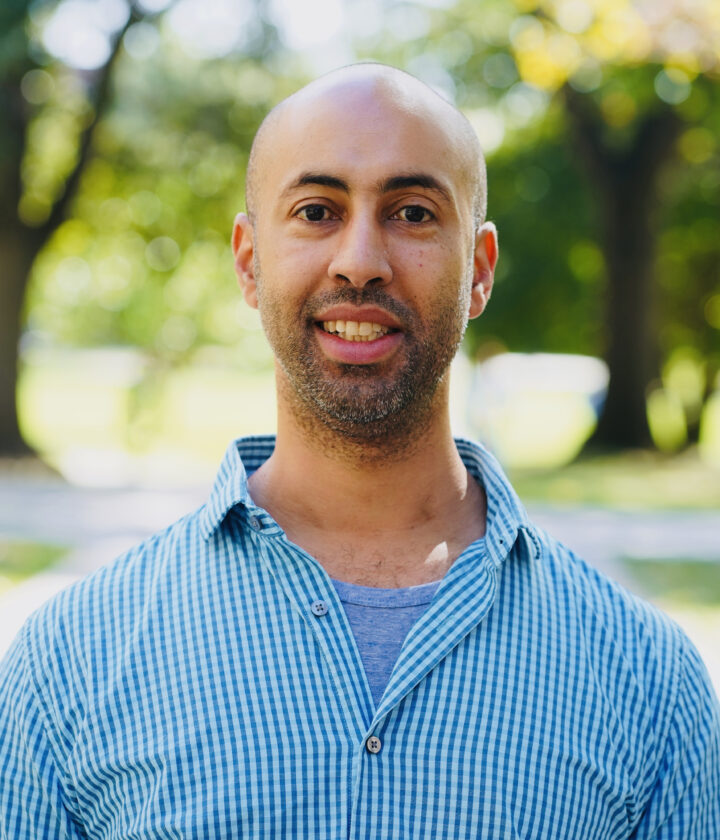
Editor’s note: This op-ed was prepared by Dr. Michael J. Broman, Assistant Professor at The Ohio State University College of Social Work and Faculty Affiliate of the Higher Education Center for Alcohol and Drug Misuse Prevention and Recovery. Dr. Broman’s research is grounded in his post-MSW practice experience in substance use prevention and treatment, and focuses on systemic barriers and facilitators to substance use treatment and recovery. During his doctoral studies, he began focusing on how to create safe campuses for college students in recovery. His dissertation research 1) explored the experiences of college students in recovery without access to a collegiate recovery program and 2) examined correlates of high-intensity drinking among college students. This was part of a larger study from which Dr. Broman and colleagues have published five peer-reviewed journal articles. More importantly, this work was used to help secure grant funding for a collegiate recovery program at Wayne State University. Dr. Broman and colleagues at Wayne State then conducted a needs assessment to inform development of that program. He is also collaborating at Ohio State to understand the needs of students in recovery there and elsewhere. This op-ed is part of our Special Series on Addiction Among Emerging Adults, which was funded by a research and consulting contract with DraftKings.
I am a person in long-term recovery since 2005. My addiction peaked during my undergraduate years. I spent increasing amounts of time on the sidelines, no longer an active participant in the game of life. While I saw old friends and college classmates growing as people, earning degrees, forming strong relationships with others, and attaining inner peace, I became more distant from other people and the world. Finally, circumstances got really bad, and I entered recovery before my fifth year of college. I should also mention that I planned on graduating in four years, but my addiction had other ideas! So, long before I pursued a research career, personal experience made me intimately familiar with addiction and recovery.
Thankfully, I’ve gained so much from my recovery, and my pathway encourages me to give back to others and contribute positively to the world. I love that my professional life connects to my recovery in this way. After a brief stint as a practicing social worker, I decided in 2018 to pursue a research career so I could learn more about what would help people find and maintain recovery – and what we, as a society, needed to do to make sure people had those resources. Naturally, my research began with young adults’ experiences of substance use and recovery.
There are many risky forms of substance use among young adults; all deserve intervention. High-intensity drinking jumped out at me because I actually hadn’t heard the term until 2022 – though I had certainly done it back in the day! Basically, high-intensity drinking means consuming 10 or more drinks in one sitting. As you might imagine, potential consequences include blackouts, alcohol poisoning, injuring oneself or others, risky sexual behavior, and academic problems. I wanted to know more about demographic, substance use, and mental health factors that might leave a young adult at greater risk of engaging in high-intensity drinking. Thus, I decided to study this question as part of my dissertation back in 2022-23.
My study included 1,430 young adults aged 18-25, of whom 200 reported past-month high-intensity drinking. Men, those who perceived binge drinking as only slightly or not harmful, and those who had used alcohol and marijuana simultaneously in the past year were more likely to report past-month high-intensity drinking. Other variables measured, such as race/ethnicity, sexual orientation, and mental well-being were not associated with past-month high-intensity drinking. These results were not particularly surprising when I thought about, for example, gender norms that often prescribe greater risk-taking among younger men, or how young adults already engaging in other risky substance use might take on additional risks.
What really surprises me is the bigger picture – the structural barriers that young adults face in accessing substance use treatment and recovery services. By structural barriers, I mean things like service availability and location, and access to insurance coverage, to name a few. Researchers, clinicians, people in recovery, parents, and really anyone who interacts with young adults know that this period of life often includes increased risk-taking and personal freedom. Combine those two factors, and you get riskier substance use, like high-intensity binge drinking. Moreover, peer norms may encourage such risks and discourage help-seeking.
So, how can we address high-intensity drinking and the related consequences? First, we need to reduce barriers to receiving help. On campuses, counseling centers do great work, but they often simply don’t have enough staff. Some campuses have collegiate recovery programs to provide dedicated, structured support, but these are few and far between. Students might be referred to services off-campus, but this requires extra time and travel. Moreover, older emerging adults may “age out” of parents’ insurance coverage (typically at age 26). Therefore, those without jobs that provide adequate insurance coverage are even more vulnerable because specialty substance use treatment is costly.
In short, we need to ensure that young adults have easily accessible substance use treatment and recovery services, especially given the risks of developing substance use disorders during this developmental period. These services should address masculine gender norms that may encourage risk-taking, perceptions of harmfulness of various substance use behaviors (along with accurate information), and polysubstance use (especially simultaneous use). They should also be culturally responsive. For example, paradigms that value the family or community’s role in one’s recovery from “personal” problems must be included.
We should also combat heavy drinking norms and offer visible, desirable alternatives. For example, some research shows that college students typically overestimate other students’ drinking, which correlates with one’s own drinking. So, campus prevention programming should stress that most students don’t engage in heavy drinking. As for alternatives, some campuses offer sober tailgates before big games. Speaking of games, sports are a great way to reduce the chances of risky substance use among young adults (and youth), and increase the value placed on health and well-being. So, our campuses and wider communities need club or intramural sports open to all who want to participate. For example, our gyms at Ohio State offer several sports for students to participate in, and it’s great to see the courts and fields alive with basketball, soccer, and other games. We must also do outreach to young adults who aren’t in college or regularly on campus. Perhaps some of the activities I’ve just discussed can be open to any young adult in the community, regardless of college enrollment status.
Finally, as researchers, we must use our findings to advocate for improved service offerings. I’ve also explored the barriers and facilitators to recovery among students in recovery who didn’t have access to a collegiate recovery program. I’m very proud to tell you that my colleagues and I used the results of that study to gain funding for a collegiate recovery program at Wayne State University. This program is now in its third year and going strong. At the end of the day, research has much more meaning when it is used to improve the lives of the people involved!
— Michael Broman, PhD